 Burgos CF Hub
Understanding Recent Form
Burgos CF has shown glimpses of potential in their recent matches, but inconsistencies have left supporters wanting more. The team’s current placement in the league does not reflect its quality, and a deeper tactical analysis reveals that some adjustments could significantly enhance their performance.
Formation and Structure
Recently, Burgos has predominantly utilized a 4-2-3-1 formation, allowing for a strong midfield presence and options for wing play. However, this system can often lead to a lack of fluidity in transitions, especially when the team loses possession. A shift to a more dynamic 4-3-3 could provide additional width and allow for quicker counter-attacks while maintaining defensive solidity. This formation would enable the midfield trio to better support both the defense and the attack, creating more opportunities for interchanging play.
Midfield Dynamics
The heart of Burgos CF’s play lies within its midfield, where creativity and ball retention are crucial. Currently, the dual pivot of defensive midfielders can sometimes stifle offensive play. Introducing a more attack-minded midfielder into the trio could alleviate this issue and foster creativity. This player could act as a link between the midfield and the forward line, helping to break down opposition defenses and facilitating smoother transitions from defense to attack.
Wing Play and Width
Burgos CF’s wing play has been effective at times but lacks the consistency to truly stretch opposing defenses. The wingers need to exploit their pace and dribbling abilities more effectively, often cutting inside to create shooting opportunities or drawing defenders out of position. Encouraging the full-backs to overlap and provide additional width will stretch defenses and create pockets of space for the wingers to exploit. This could also lead to more dynamic offensive patterns and give the forwards more options in the box.
Pressing and Defensive Shape
Defensively, Burgos CF has shown resilience but can be vulnerable during high-pressure situations. The current pressing strategy appears reactive rather than proactive, often leading to gaps in the defense when the team is caught out of shape. Implementing a more coordinated pressing system could help the team regain possession higher up the pitch, putting immediate pressure on the opposition. This requires a collective understanding of when to press and when to fall back, ensuring that all players are on the same page.
Fine-Tuning Set-Pieces
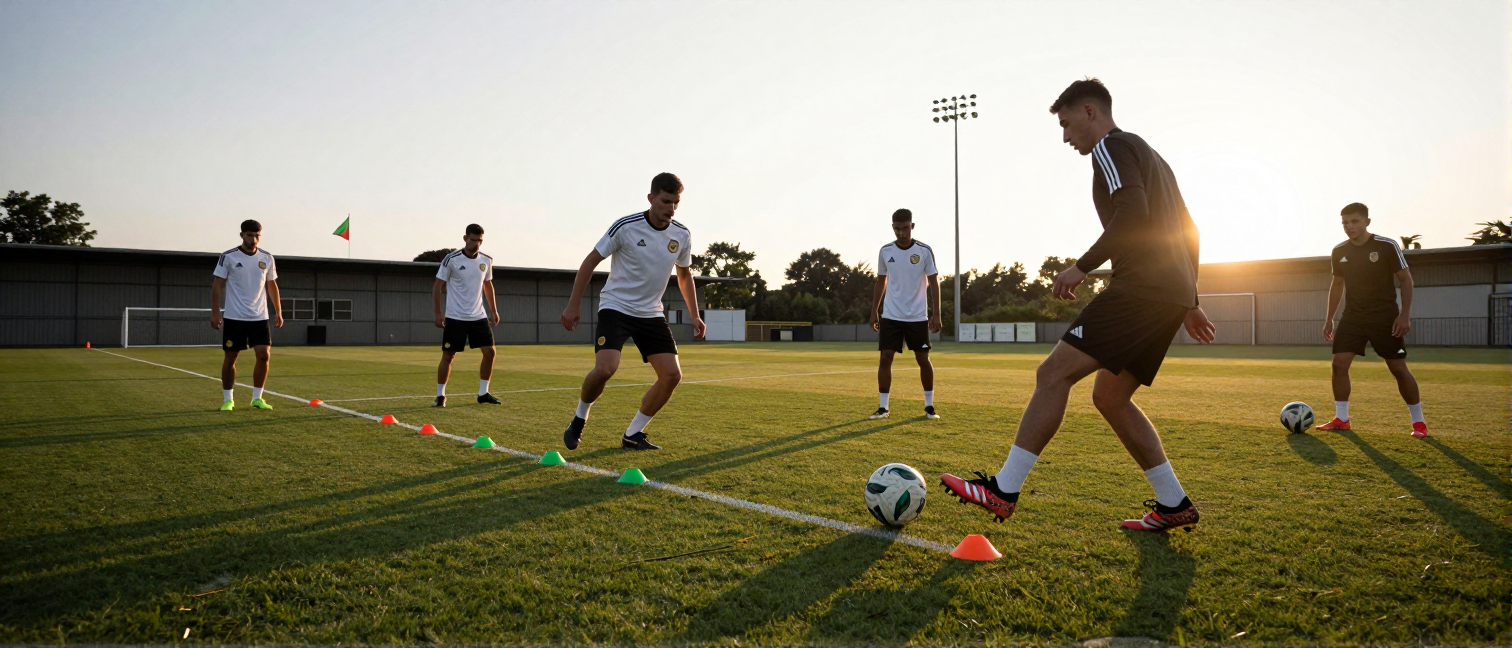
Set-pieces are another area where Burgos CF could capitalize on their tactical adjustments. The team has not been particularly prolific from corners or free-kicks, indicating a need for more organized routines that take advantage of their aerial strengths. Training sessions focused on set-piece execution, coupled with a tactical plan for both attacking and defending set-pieces, could yield significant dividends throughout the season.
Conclusion
In summary, Burgos CF possesses the raw talent and potential to ascend the league standings but requires tactical fine-tuning to unlock that potential fully. By adjusting their formation, enhancing midfield dynamics, utilizing width effectively, and improving pressing strategies, Los Mirandeses can create a more cohesive unit capable of consistently challenging for victories. As the season progresses, these adjustments could be the key to revitalizing their campaign and bringing back the fervor that Burgos CF fans have come to expect.